Why do most home objects disappear?
Most objects try to disappear into usefulness: do the job, ask nothing, be forgotten. We keep making things that refuse to do that.
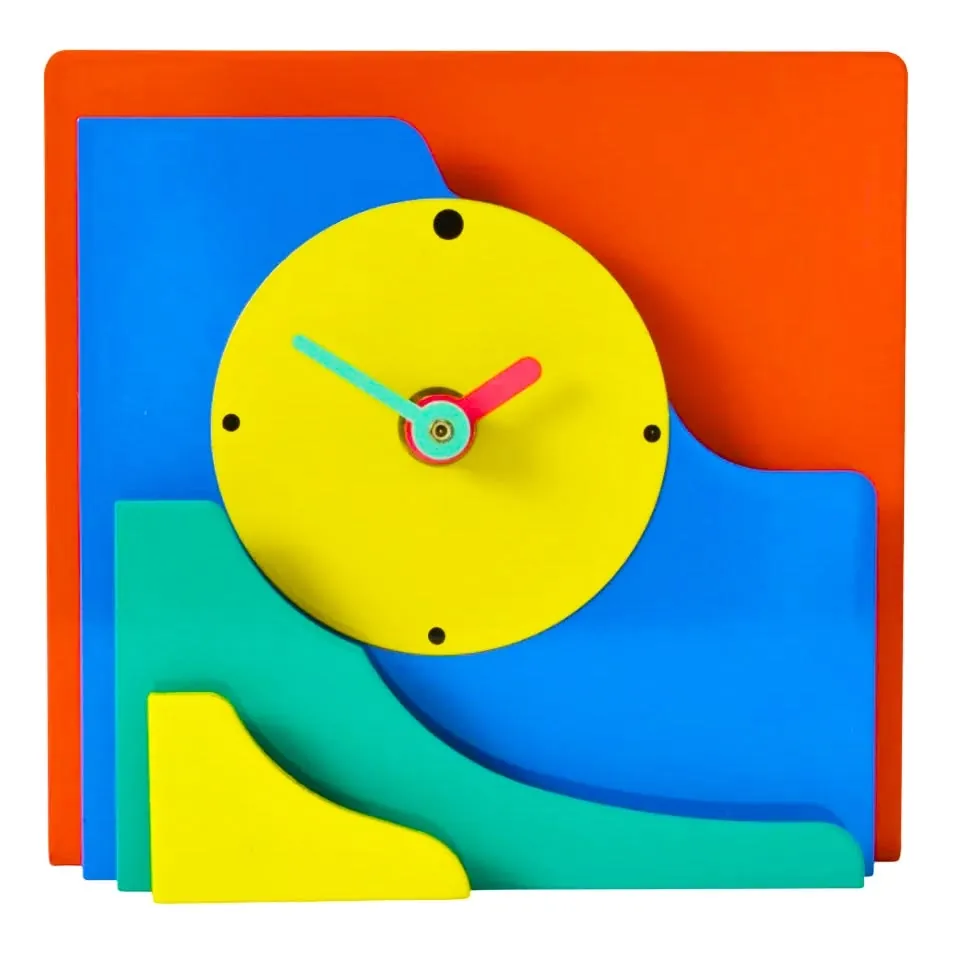
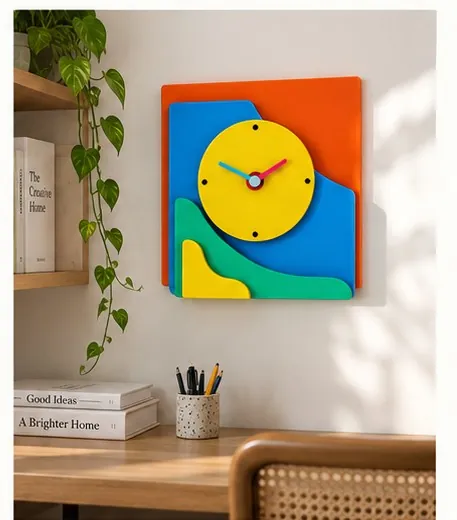
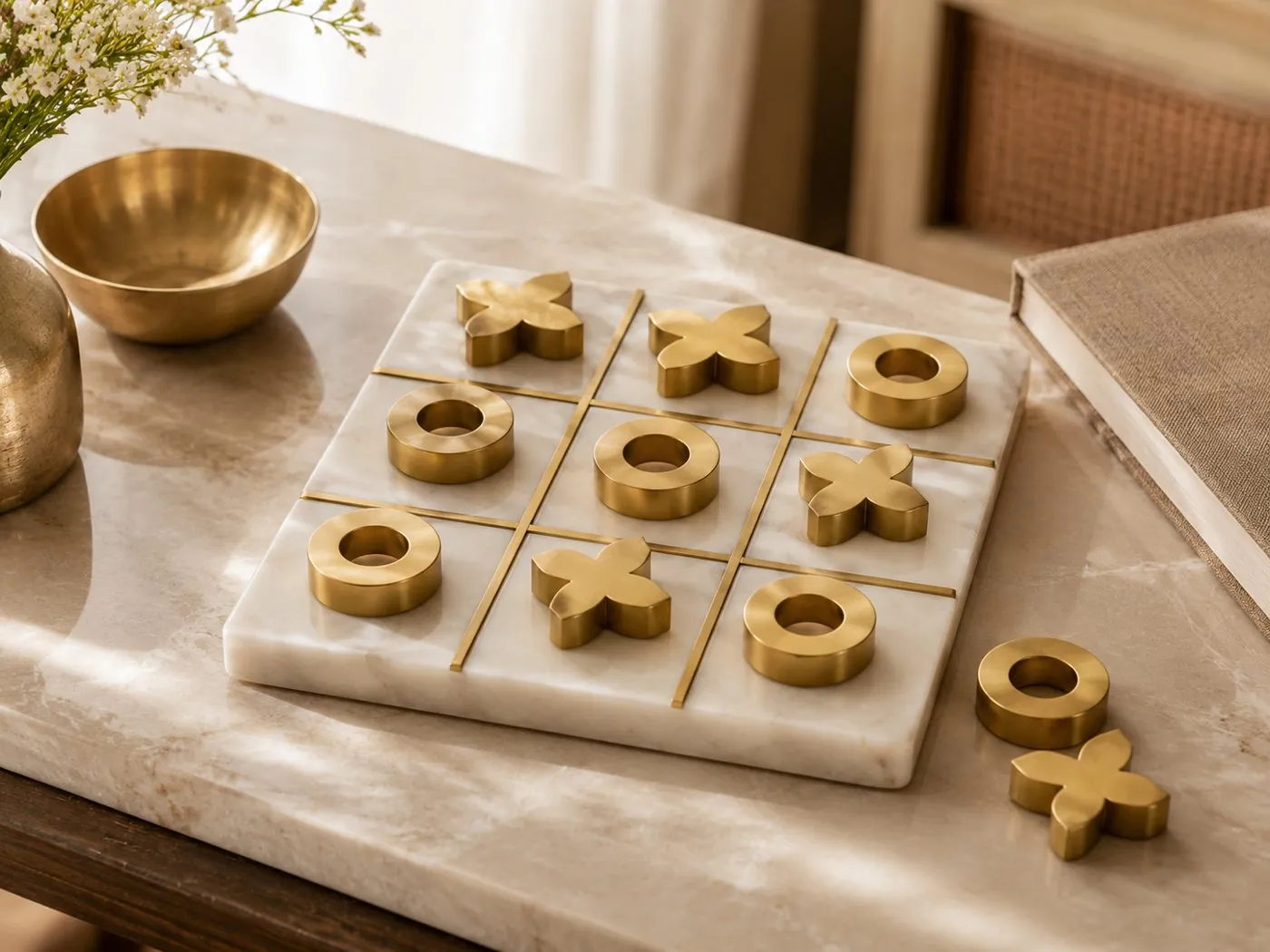
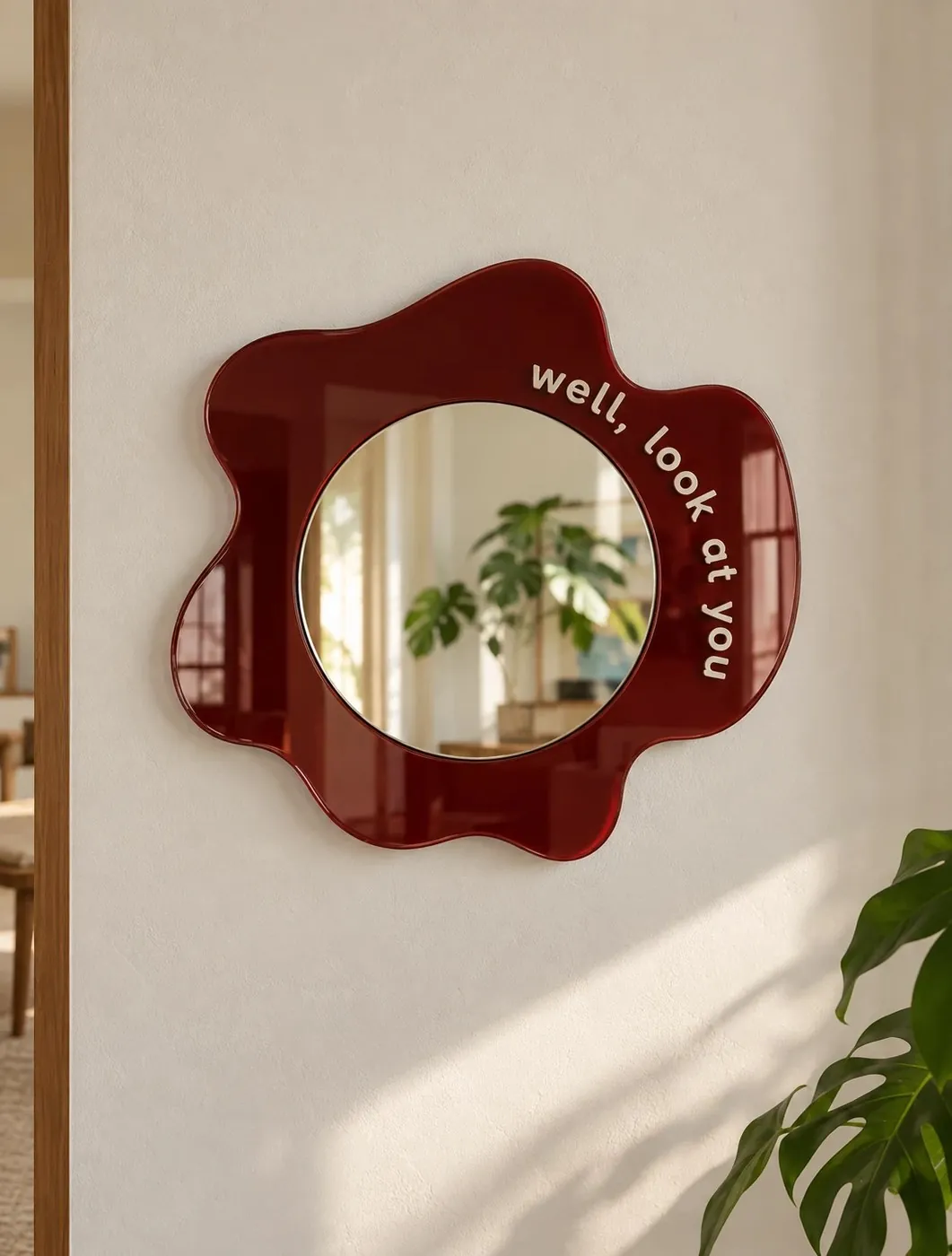
The Layered Wall Clock is a small Memphis painting that happens to have hands. X + O is noughts-and-crosses that looks like brass on marble, permanently mid-argument. Well, Look At You is a mirror that compliments you back.
Why a little friction works
An object you have to meet halfway is an object you actually notice. Frictionless is only another word for invisible.
We're not against useful. Every one of these still tells the time, frames the face, settles the argument. They just decline to be furniture about it.
How do I style a statement piece?
Give it room. One bold object per wall or surface, with quieter things around it. Put it where people already look: opposite the front door, above a console, at the end of a corridor. If it's colourful, let it be the only strong colour in that view.